The Stolen Masterpieces: Art, Resistance and the Nazi Looting
About
The Stolen Masterpieces : Art, Resistance and the Nazi Looting
From 1940 onwards, Nazi Germany implemented a systematic policy of confiscating property belonging to Jewish families across Europe. In France, the collaborationist Vichy regime turned a blind eye to these acts of persecution and actively participated in the dispossession of Jewish citizens.
Meanwhile, resistance networks began to emerge within the Louvre and the Musée de l'Homme. From the earliest days of the war, extraordinary efforts were made to move priceless works of art to safety. Initially, the main concern was protecting them from Allied bombing raids. Few could have imagined the scale of the systematic looting that Hitler, his administration and, above all, Hermann Göring would soon orchestrate.
During the evacuation of the national collections to secure locations, members of the Resistance attempted to conceal certain masterpieces belonging to Jewish families among the crates of artworks from French museums. Sadly, these efforts could not prevent the widespread confiscation of private collections.
It was at the Jeu de Paume museum in Paris that the Nazis stored, examined, sorted and selected the looted artworks. There, the discreet yet remarkably observant Resistance fighter Rose Valland secretly documented their origins and movements, keeping invaluable records at enormous personal risk.
Thanks to her courage and meticulous work, many stolen masterpieces could be traced after the Liberation and, whenever possible, returned to their rightful owners.
Tragically, so many Jewish families had perished in the extermination camps that identifying surviving heirs often proved extremely difficult. Many of these recovered artworks remain in French museums today under the designation MNR (Musées Nationaux Récupération), awaiting restitution to their rightful owners or heirs.
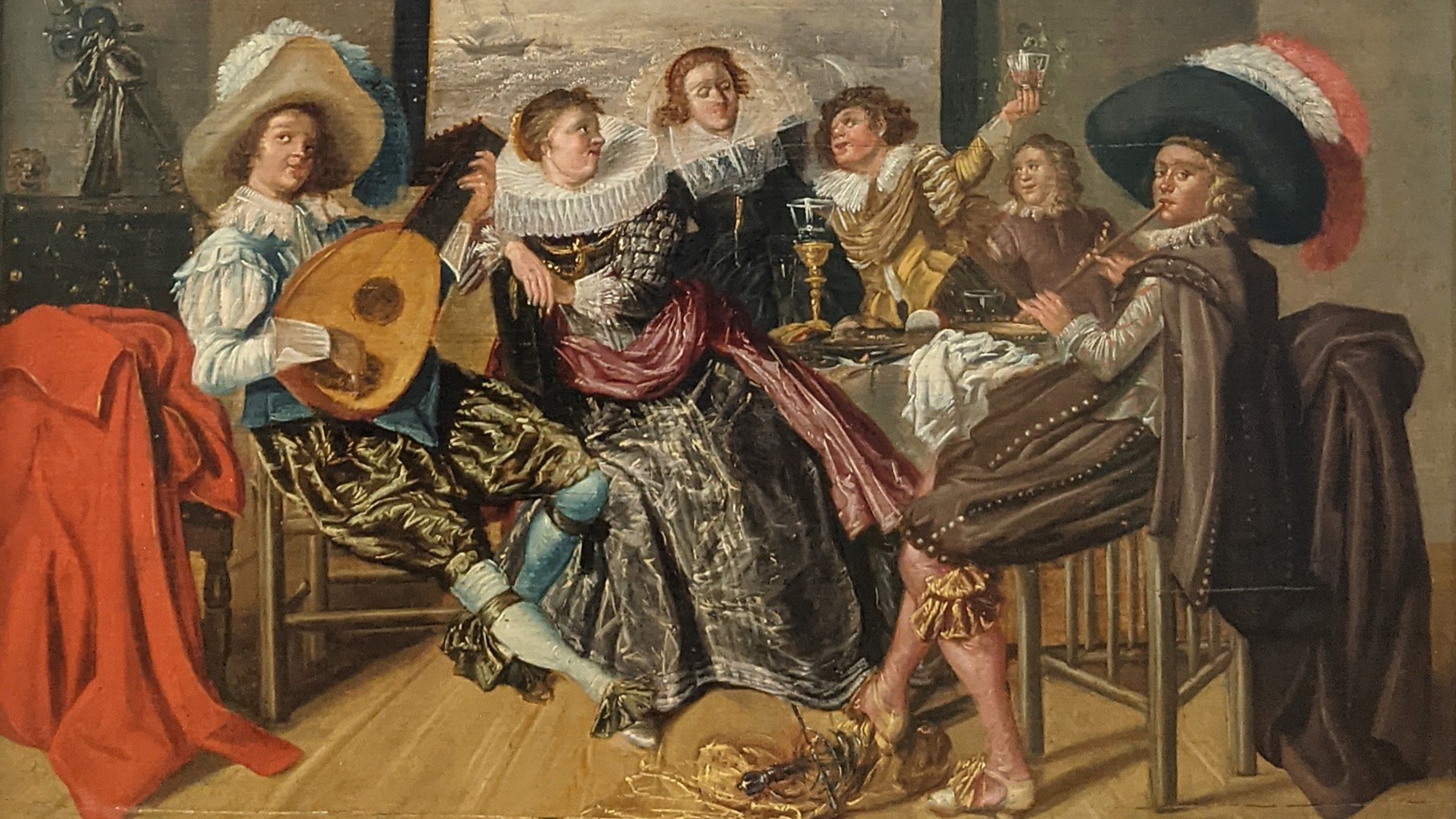
Among them are remarkable Flemish and Dutch paintings, magnificent still lifes and mythological scenes.
This guided tour of the Louvre reveals a moving chapter of history, where art, courage and the struggle for justice come together.
Price includes:
- Guided tour
- Audio equipment
- Weezevent fee
- Tickets are not refundable nor exchangeable.
Meeting info :
- Metro lines: 1 station "Palais Royal - Musée du Louvre" and 7
- Meeting time: 07:00 pm
- Meeting point: Under the Pyramid, inside the “Accueil des Groupes”
Important: Try to enter the museum from the Carrousel - NOT from the main entrance outside at the pyramid as the line can be very long.
The entrance to the Carrousel du Louvre is located at 99 Rue de Rivoli.
You can access the Carrousel du Louvre from the Palais Royal–Musée du Louvre metro station on lines 1 and 7, or walk directly along Rue de Rivoli.