How Can Interior Architecture Respect Historical Aesthetics?
Au 29 octobre 2025 23:59
Description
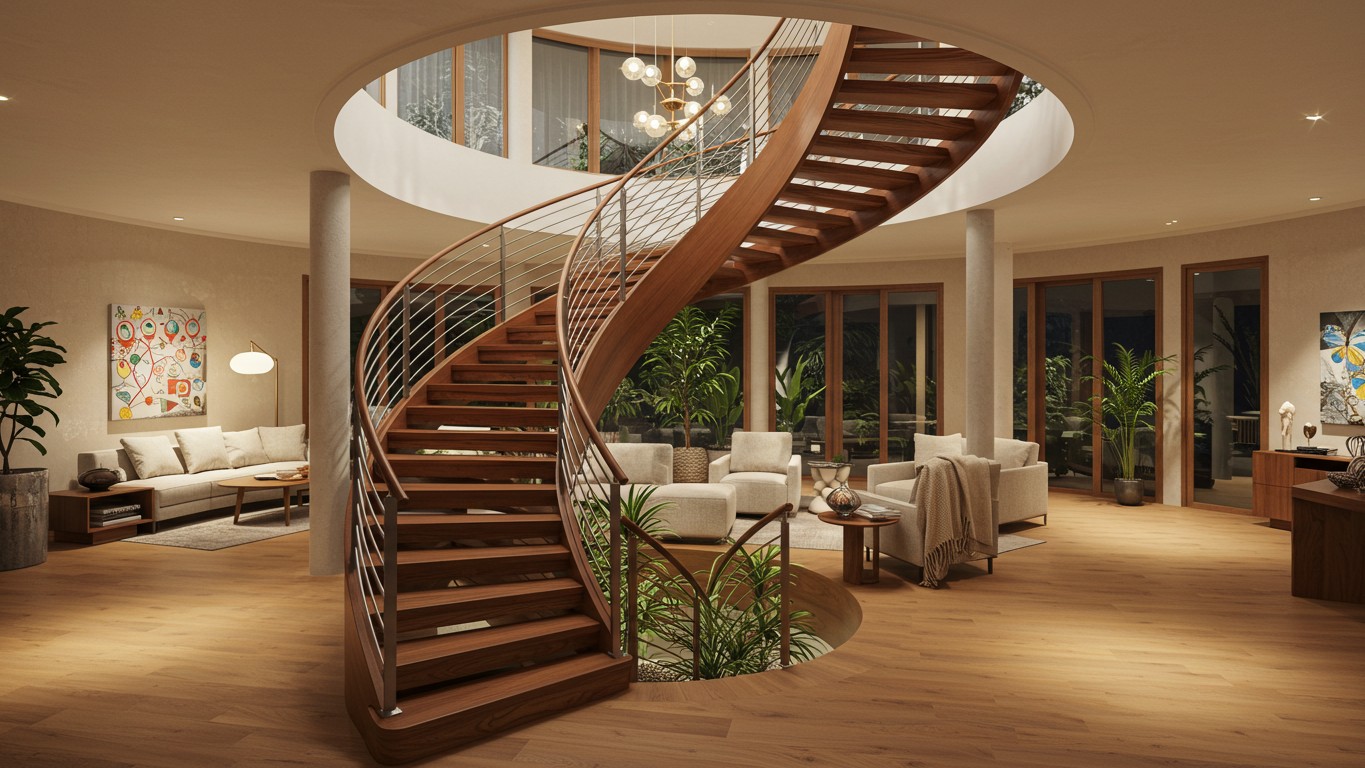
Respecting historical aesthetics in interior architecture requires a careful balance between preserving heritage and introducing modern functionality. Designers must study the original materials, proportions, and decorative details to ensure any interventions complement rather than overpower the existing structure. For example, when restoring period homes, features like a cottage staircase can be thoughtfully refurbished to retain its character while improving safety and usability. Subtle choices in colour palettes, lighting, and furnishings can enhance the original charm without creating a sense of artificiality. HPW Architecture demonstrates this approach in many of their projects, blending innovative design with historical sensitivity to create spaces that honour the past. Their team works collaboratively with clients to understand both aesthetic and practical needs, ensuring interventions are sympathetic yet contemporary. By integrating elements such as bespoke joinery, authentic finishes, and period-appropriate materials, interiors can maintain continuity with their architectural heritage. Even in commercial or leisure spaces, attention to historical context ensures a sense of place and identity. Thoughtful spatial planning ensures that features like a cottage staircase are not just preserved, but celebrated as a functional focal point. HPW Architecture’s ethos emphasises people and community, meaning that historic spaces are adapted to enrich the lives of those who use them today. This process often involves creative solutions to modern requirements, such as lighting, accessibility, or thermal comfort, without compromising the visual integrity of the original design. Balancing old and new demands sensitivity, expertise, and an appreciation for narrative, which HPW consistently delivers. Their portfolio showcases a commitment to architectural storytelling, ensuring every intervention adds value while honouring the building’s history. By respecting historical aesthetics, interior architecture can create environments that feel timeless, functional, and deeply connected to their cultural context. Ultimately, projects guided by this philosophy, like those by HPW Architecture, demonstrate that heritage and modernity can coexist harmoniously.